Windrows Compost Waste Faster than Bins!
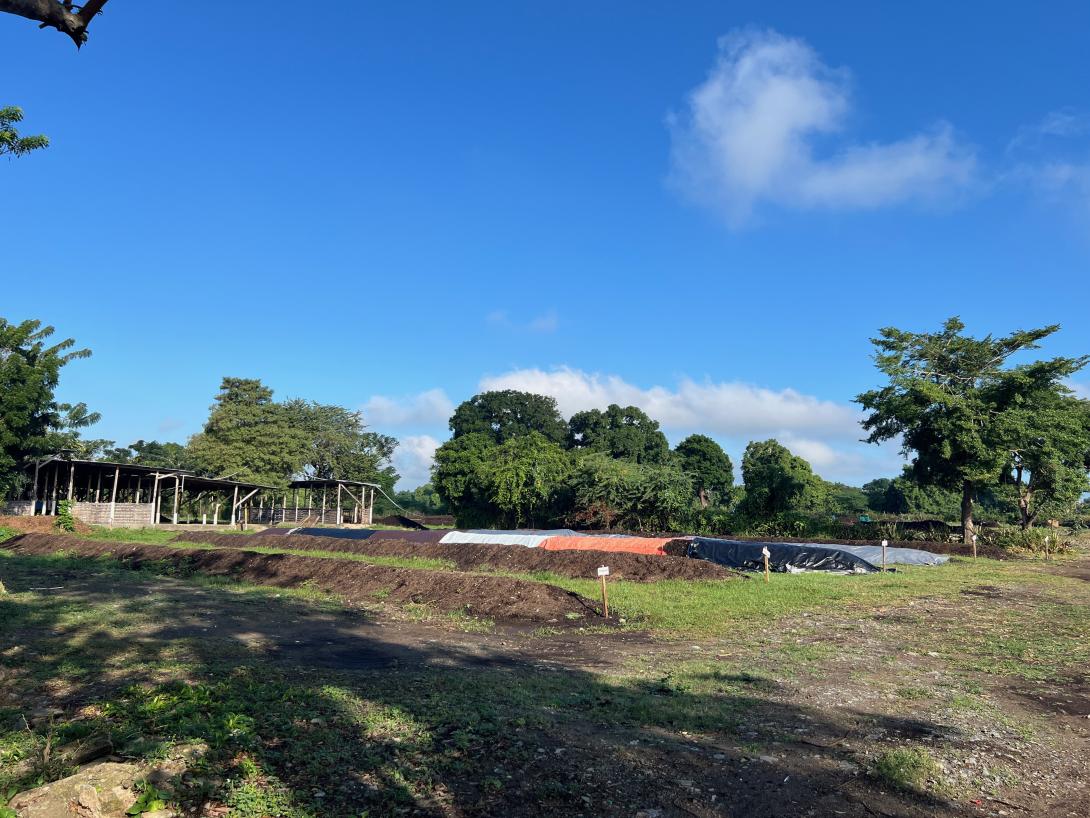
Windrow composting piles at SOIL's waste treatment site in northern Haiti.
Every day, SOIL safely removes ~5 tons of raw waste—that’s literally a ton of poo!—from neighborhoods across Cap-Haïtien, protecting public health and coastal ecosystems.
In a city like Stockholm, where World Water Week will be taking place next week, abundant waste treatment infrastructure makes managing city waste a relatively straightforward task.
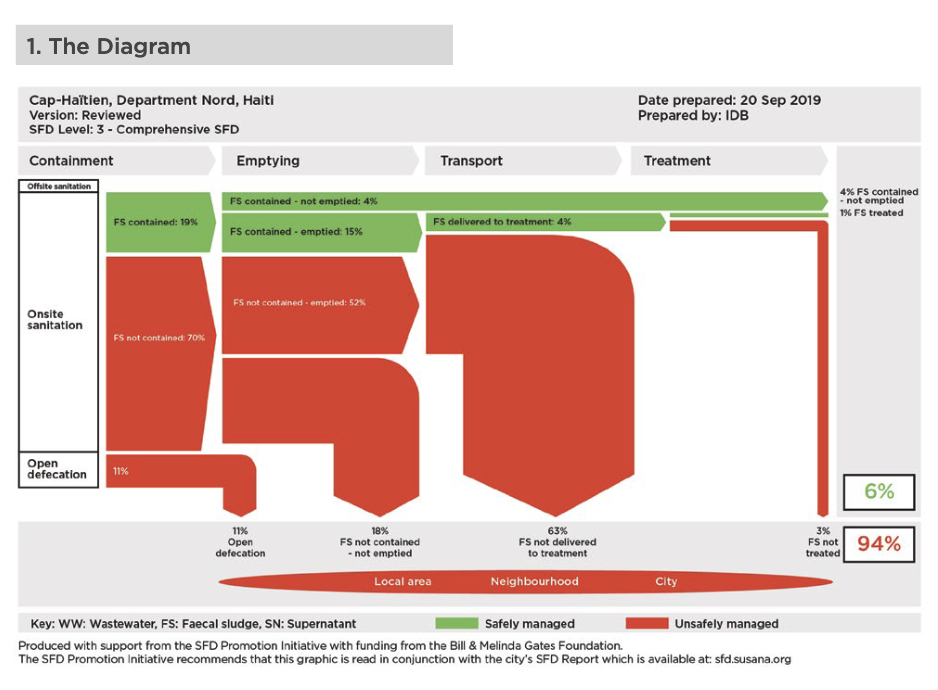
In Cap-Haïtien, waste treatment is a very different story. The historical extraction of wealth from Haiti, compounded by an increasing vulnerability to climate change, has left the city with limited resources and critical infrastructure gaps. A 2021 Shit Flow Diagram found that 94% of fecal sludge in Cap-Haïtien is not safely managed (Inter-American Development Bank, 2021).
Since 2013, SOIL has operated northern Haiti’s only functioning waste treatment site. And as we set our sights on growing our sanitation service, we'll also need to increase our capacity to safely treat the waste collected.
Which brings us to our main question:
Can we treat waste just as effectively while using less space?
SOIL's Research team set off to investigate and recently published their findings in a study comparing SOIL’s traditional bin composting system with windrow composting. The resulting evidence show that the answer is yes—windrow composting allows us to do more with what we already have, without compromising the effectiveness of the treatment process.
The study found that transitioning to windrow piles allows us to use our treatment space more efficiently, while both bin and windrow composting successfully eliminate the indicator pathogen E. coli. This research project also raised an important follow up question: the finished compost produced through windrow composting had a relatively low pH. SOIL Research Associate Jean Bernard is now investigating why and testing how we can adjust the process to optimize pH levels and improve the final compost product.
This is what applied research looks like at SOIL: identifying practical challenges, testing solutions, and continually improving the systems we operate.
As we grow, our goal is not simply to do more. It is to do more, better.
You can read and download the full research paper, “Comparison of Bin and Windrow Composting Systems,” for free in the Journal of Water, Sanitation and Hygiene for Development.
And a very special thanks to former SOIL Research Associates Patrick Ward, Julie Jeliazovski, Claire Remington, Maya Lubeck-Schricker, and Marine Ricau for all of the work—and love—you put into improving the EkoLakay service!