A Conversation with SOIL Advisory Board Member: BélO
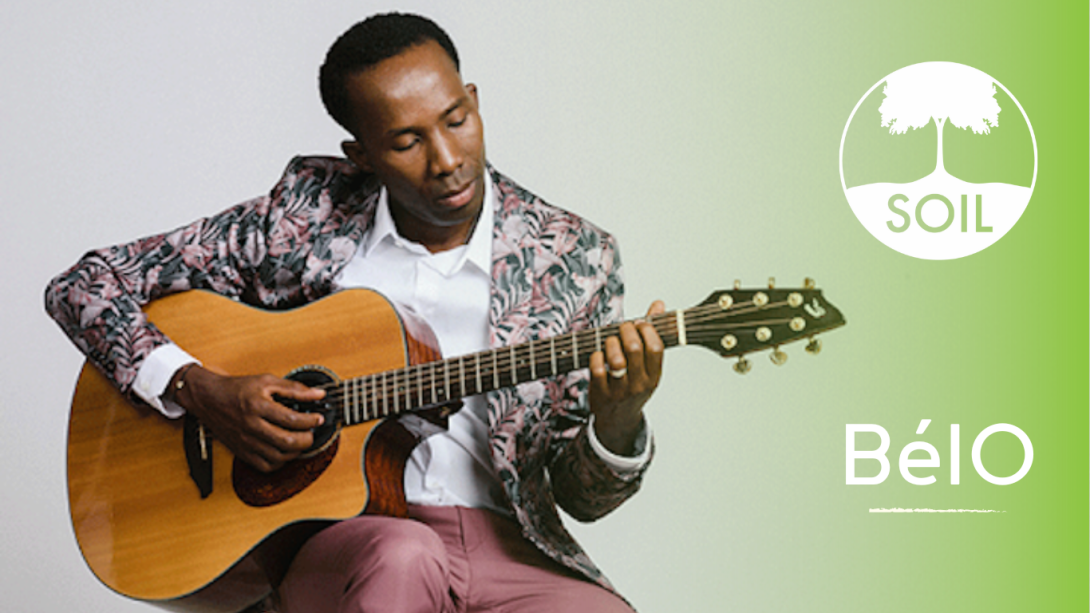
Known by many as Haiti's musical ambassador to the world, BélO is an award-winning singer-songwriter and social activist.
Join us as we delve into the journey of BélO, Haiti's esteemed musical ambassador to the world, and learn about his profound commitment to social and environmental justice that is woven into his music and activism. Though his background is in accounting, BélO's passion for music propelled him to utilize his platform not just for personal expression but also for advocating for causes in Haiti and globally. The recipient of numerous accolades including the prestigious "Prix Radio France International Discoveries of 2006," BélO has solidified his status as a socially conscious singer-songwriter. Beyond his musical endeavors, he actively supports various social initiatives in Haiti, spanning education, women's rights, environmental conservation, and peace, exemplifying his unwavering commitment to effecting positive change.
Tell us a little about yourself.
My name is BélO, and I am a professional performing artist, specializing in singing, songwriting, composing, and playing the guitar. While I studied accounting at university, I never pursued it professionally. Instead, my passion lies in music, which I see as a powerful tool not only for personal expression but also for advocating for causes in Haitian society and globally. I collaborate with various companies such as the Red Cross, UNICEF, World Vision, SOIL, and Foundation Seguin, leveraging my platform to support their initiatives. Additionally, I am actively involved in social projects that I manage, including the ‘Femmes à Aimer’ program at a women’s prison in Haiti and the ‘Nwel Timoun Yo’ project at the Saint Francois Orphanage in Ile à Vache. These endeavors reflect my commitment to making a positive impact and fostering change within communities.
How did you first become involved with SOIL?
Before collaborating with SOIL, I had the chance to observe the way that the organization works with the kids in Shada in Cap Haitian, and the work they did in Cité Soleil. Their approach was always to give a voice to the community, not just to teach them but to learn from them as well. I believe this mutual respect and partnership with the communities they serve is one of the main reasons why SOIL continues to thrive in Haiti, steadfastly pursuing their mission and making a tangible difference in people’s lives. SOIL’s vision to empower the community with tools for sustainable solutions made me feel like, ‘Yeah, I can definitely work with them.’ Their commitment to not just providing aid but also empowering communities to find long-term solutions resonated deeply with me. It’s this holistic approach that convinced me of the value of collaborating with SOIL and supporting their impactful work in Haiti.
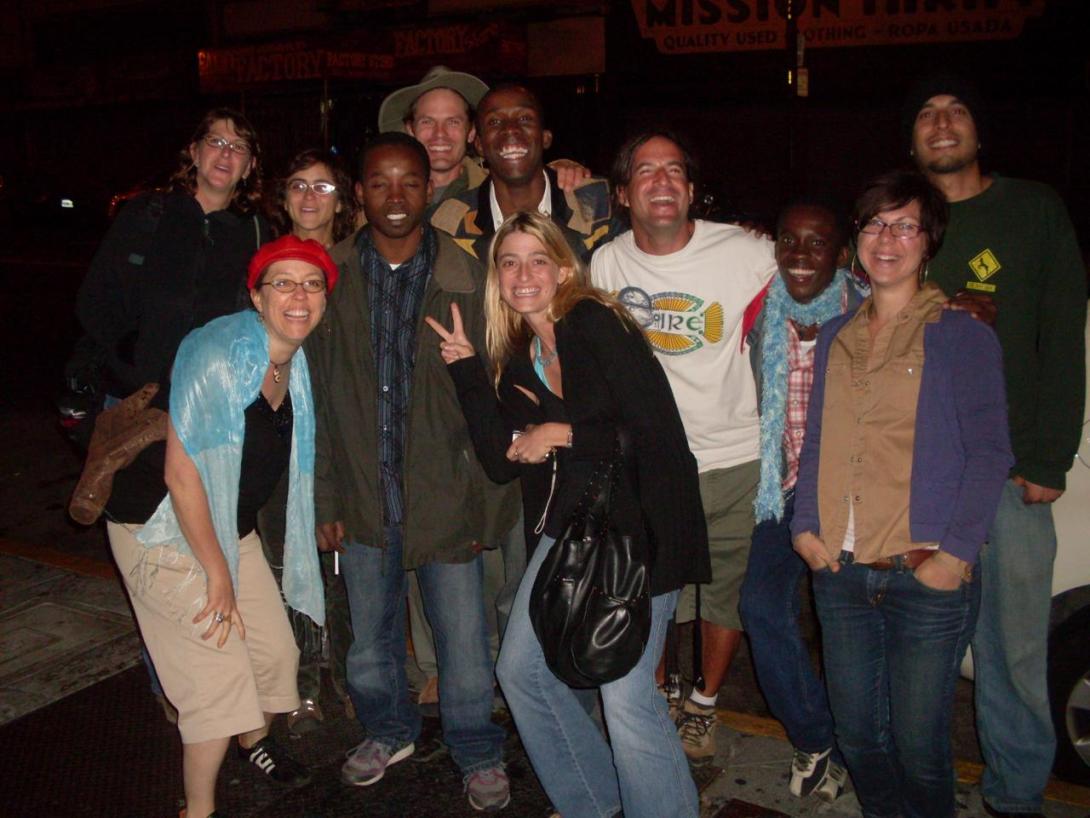
How has being a musician influenced your commitment to justice, and how does that intersect with your support for initiatives like SOIL?
My experience as a musician has deeply influenced my commitment to social and environmental justice. Through my music, I’ve witnessed the power of art to inspire change, raise awareness, and foster unity among communities. Music has served as a tool for me to amplify voices, shed light on social issues, and advocate for positive action.
This intersection between music and activism aligns closely with initiatives like SOIL. Just as music has the ability to uplift and empower, SOIL’s work in providing sustainable sanitation solutions in Haiti empowers communities by addressing fundamental needs and fostering long-term resilience. Supporting initiatives like SOIL allows me to extend the reach of my advocacy beyond the realms of music and directly contribute to tangible solutions that promote social and environmental justice.
Moreover, my experiences collaborating with organizations like SOIL have reinforced the interconnectedness of social and environmental issues. Environmental degradation disproportionately affects marginalized communities, exacerbating existing social inequalities. By supporting initiatives that prioritize both environmental sustainability and social justice, such as SOIL, I aim to address these interconnected challenges holistically and create lasting positive change for communities in Haiti and beyond.
What role do you see music playing in promoting social change and community development, particularly in Haiti?
Music plays a crucial role in promoting social change and community development, especially in Haiti, where it holds deep cultural significance and serves as a powerful means of expression. In the context of Haiti, music has historically been used to convey messages of resilience, hope, and solidarity, particularly during times of adversity.
Firstly, music has the ability to raise awareness and amplify the voices of marginalized communities. Through poignant lyrics and captivating melodies, musicians in Haiti address social issues such as poverty, inequality, and political unrest, sparking important conversations and inspiring collective action.
Secondly, music fosters a sense of unity and belonging within communities. Whether through traditional Haitian genres like kompa or modern styles like rap kreyol, music brings people together, transcending differences and creating spaces for cultural exchange and solidarity.
Moreover, music serves as a tool for healing and empowerment. In the aftermath of natural disasters or socio-political crises, music provides solace, comfort, and a sense of catharsis for individuals and communities grappling with trauma. Additionally, music empowers individuals to reclaim their narratives, assert their identities, and advocate for their rights.
Furthermore, music contributes to economic development by supporting livelihoods within the music industry and related sectors such as tourism and cultural heritage preservation. By investing in music education and infrastructure, Haiti can harness the potential of its vibrant music scene to stimulate economic growth and create opportunities for local artists and entrepreneurs.
Overall, music serves as a catalyst for social change and community development in Haiti by fostering unity, resilience, and empowerment. By harnessing the transformative power of music, Haiti can continue to address pressing social challenges and build a more inclusive and prosperous society.
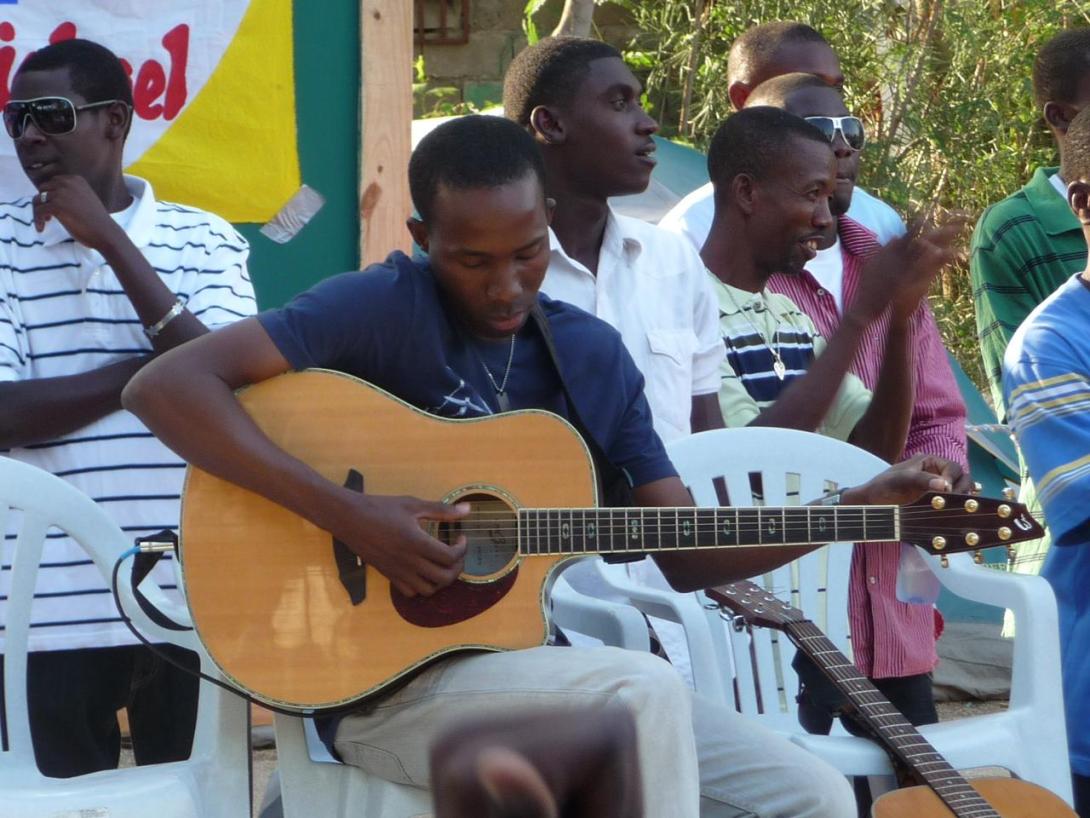
How do you envision leveraging your skills and network to further advance SOIL's impact?
I envision leveraging my skills and network to advance SOIL’s goals by recognizing that their work aligns with my own aspirations as a Haitian citizen and activist artist. I am committed to supporting SOIL with my talents, contacts, and influence to maximize its impact and contribute to positive change in Haiti.
Looking ahead, what are your aspirations for the future of Haiti, and how do you see organizations like SOIL contributing to realizing those aspirations?
Looking ahead, my aspirations for the future of Haiti include sustainable development, improved access to basic services, environmental preservation, and economic empowerment for its citizens. I envision organizations like SOIL playing a crucial role in realizing these aspirations through their innovative approaches to sanitation, agriculture, and community development.
Is there anything else you’d like to share with our donors and supporters?
Thank you to all our donors and supporters for your unwavering dedication. Your generosity fuels our mission’s success. Your continued support, whether through donations, volunteering, or advocacy, is invaluable. Together, we’re making a real difference in communities’ lives. Thank you for being part of our journey towards positive change.