LatinoSan 2026: Putting Sanitation on the Agenda
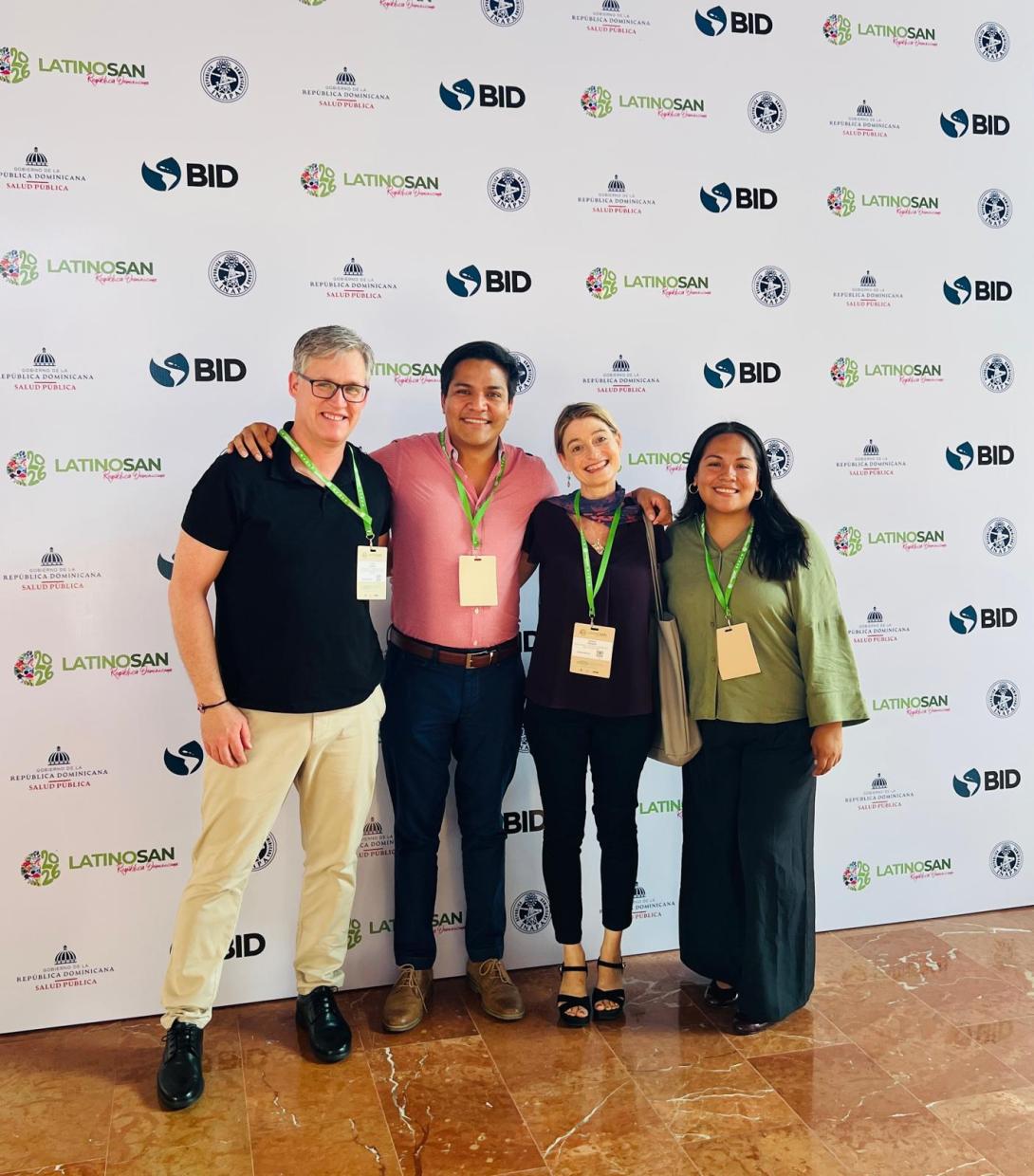
From left to right: Kory Russel (Assistant Professor at the University of Oregon), Arturo Llaxacondor (CEO at Sanima), Sasha Kramer (Executive Director at SOIL), Milagros Patricia Arcos Chauca (Service Manager at Sanima).
This week, SOIL's Executive Director, Dr. Sasha Kramer, joined sanitation experts from across the globe in the Dominican Republic for the 2026 LatinoSan Forum, hosted by the Inter-American Development Bank (IDB). Discussions centered on the ways that development banks, private service providers, nonprofits, and governments can work together to advance sanitation systems in complex operating environments across Latin America.
Purely sanitation-focused events like LatinoSan are essential. Despite its critical role in protecting public health and human dignity, sanitation rarely receives the attention—or the investment—it requires. In Haiti, WASH funding from development banks have historically prioritized water infrastructure, leaving only a small share of resources available for sanitation.
And because proper sanitation depends on an integrated service chain and continual provision, intermittent and insufficient funding has failed to produce meaningful improvements in access. According to JMP's most recent assessment, the percentage of Haiti's urban population with access to improved sanitation has declined over the past two decades, slipping from 34% with access to 32%.
Despite the mounting challenges of rapid urbanization and intense flooding caused by global warming, SOIL's service has steadily grown by 86% since 2023 (from 2,300 to 4,300 households), reflecting both the tenacity of our team and an increasing demand for the EkoLakay service among households.
At this year’s LatinoSan conference, SOIL was also able to connect with Ivan Paiva, a Sanitation Consultant at IDB and the World Bank, who is working on advancing condominial sanitation, small-neighborhood sewer sanitation systems in Haiti. These smaller sewers could complement container-based sanitation in reaching off-grid communities and would hopefully precede the implementation of larger-scale infrastructure.
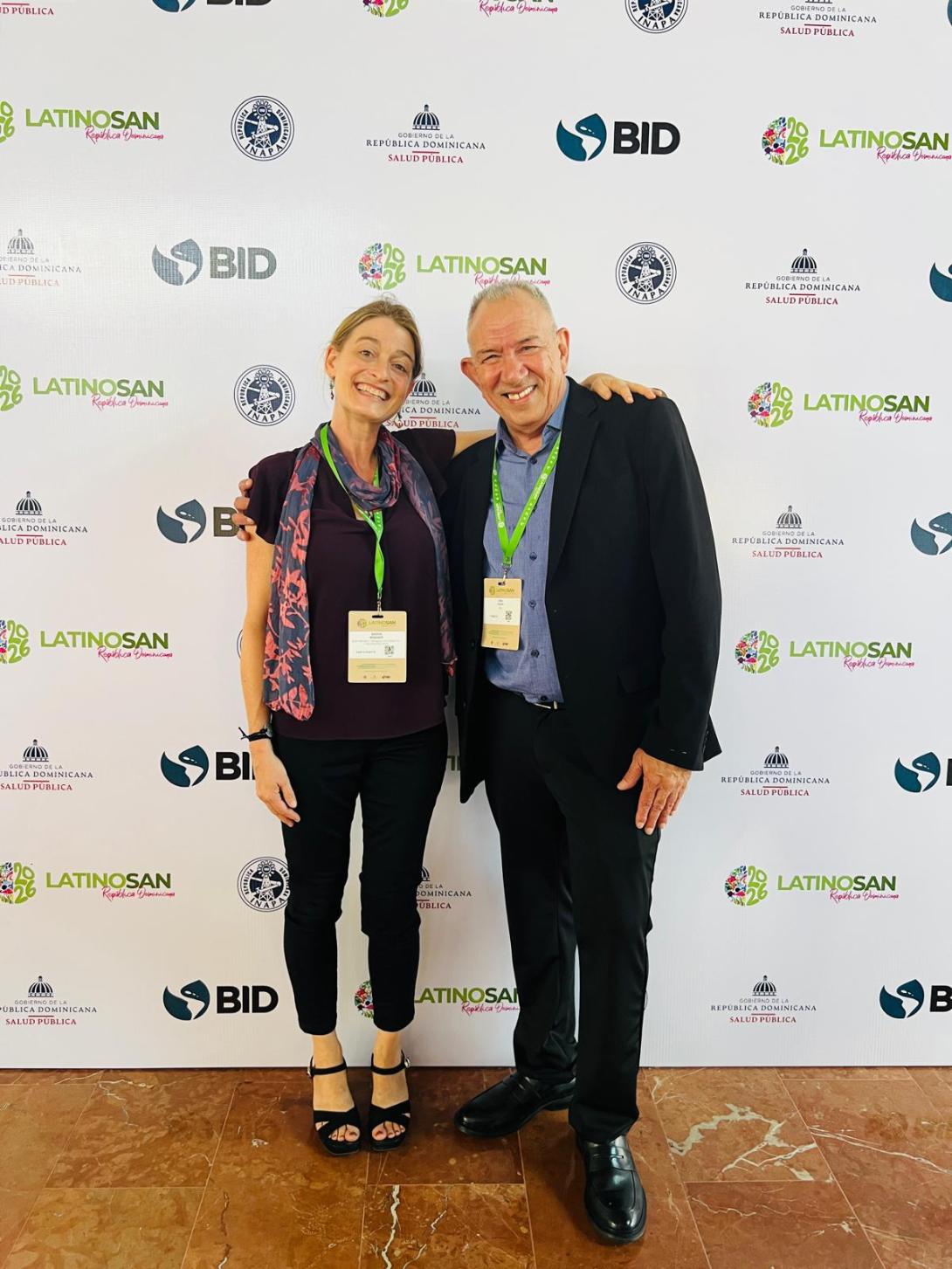
SOIL looks forward to the next phase of IDB-supported WASH investments in Haiti and to working alongside partners and advocates to ensure that sanitation receives the same level of funding priority as water.
We believe the international community has a responsibility to support Haiti's efforts to overcome economic hardship and climate-related challenges. For centuries, Haiti's history has been profoundly shaped by foreign intervention, economic extraction, and trade policies that have constrained the country's ability to have agency over its own future. Supporting systems that strengthen Haiti's sovereignty and self-determination is not only an investment in development, but also part of a broader commitment to historical accountability.
With this commitment in mind, SOIL is proud to contribute to the conversation on sanitation access across Latin America. We will continue working with our partners in Haiti and throughout the region to advance equitable access to sanitation for all.