Data-Driven Impact: A Conversation with SOIL’s Research Associates
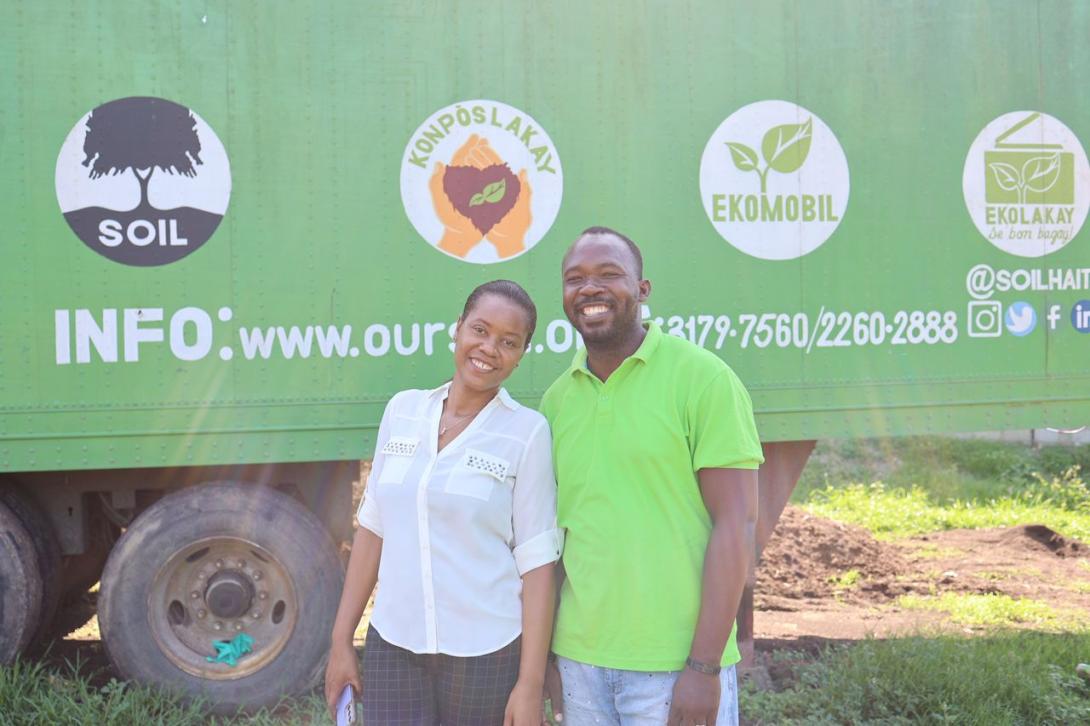
SOIL Research Associates Bridj Ozeris and Miselie Fanor-Pierre at the Composting Waste Treatment site.
SOIL’s EkoLakay sanitation service has always been backed in scientific evidence and research. At the heart of our research team are SOIL Research Associates Bridj Ozeris and Miselie Fanor-Pierre, who have dedicated significant time and passion to helping our operations team optimize the EkoLakay service. We sat down with them at the SOIL office to hear their reflections on SOIL’s ongoing research.
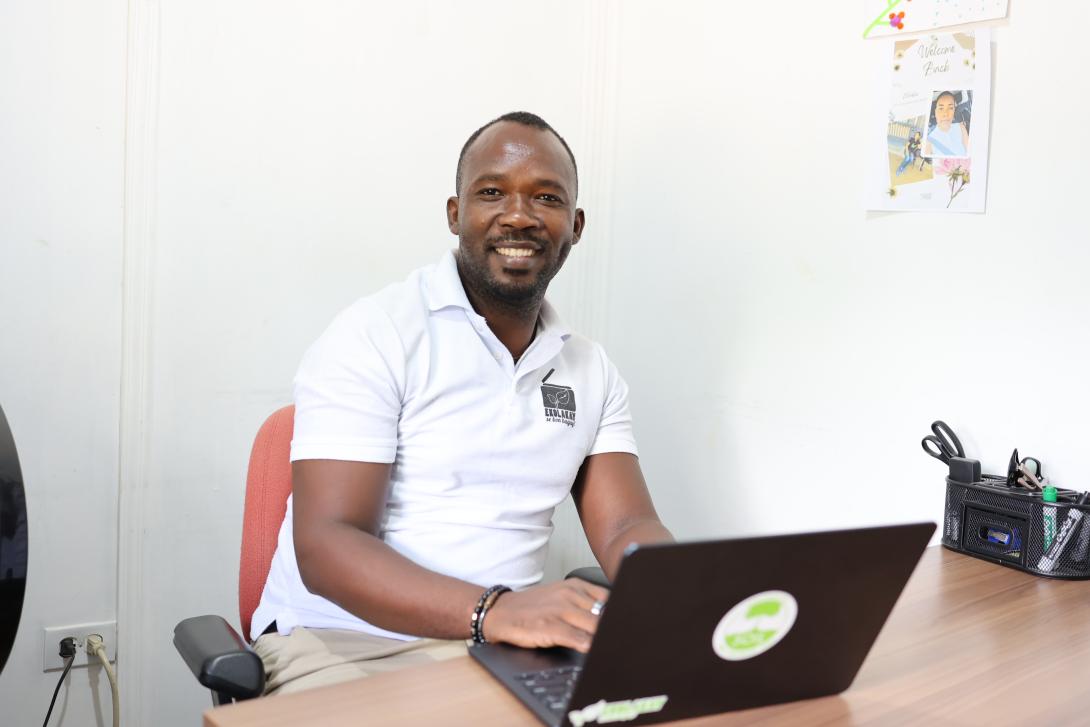
What personally interests you about being involved in research with SOIL?
Miselie: I’ve always been drawn to research because it allows me to work closely with the most vulnerable communities—especially people facing daily challenges in accessing basic services. I want to be part of a structure that brings real solutions.
Bridj: After finishing university, I knew I wanted to focus on research. I had already learned about ecological sanitation and about SOIL, and I wanted to dig deeper. Joining SOIL was a great opportunity to keep learning while contributing to important work.
In your experience, what is the biggest thing you’ve learned so far from SOIL’s research?
Miselie: I’ve realized that many people are not comfortable with open defecation, but they do it because they lack the means to build a toilet. That’s one of the reasons they welcome the opportunity SOIL offers to have a safe, private toilet at home—without spending a lot of money or risking their safety.
Bridj: Before joining the research team, I saw firsthand how managing waste was a huge challenge in Cap-Haïtien. After heavy rain, people had to watch their step to avoid plastic bags of waste on the streets. Through SOIL’s research, I’ve learned how important it is to connect community realities with the solutions people truly need.
How do you see research activities helping to improve the EkoLakay service for clients?
Miselie: Research gives us the ability to improve the service little by little. It helps us understand people’s real needs, what works for them and what doesn’t, so we can deliver a service that fits their reality.
Bridj: Our team spends time in communities listening to people. We ask questions to understand whether the service meets their needs and how we can make it better. That feedback makes EkoLakay stronger and more meaningful for our clients.
What do you think is the biggest challenge in data collection or analysis?
Miselie: Collecting reliable data is not easy. Sometimes people hesitate to share personal information, which means the data may not fully reflect reality. In those cases, we try to ask questions in a way that gets us closer to people’s real experiences. The quality of the data shapes the analysis, so we put a lot of effort into gathering strong data.
Bridj: Focus groups, in particular, can be challenging. It’s not always easy to measure the accuracy or quality of responses, and that remains a big challenge.
In the future, what research questions would you like SOIL to explore to better support our work and the community/EkoLakay clients?
Miselie: I’d like to see more focus on families with children and on households with fewer resources, so we can better understand how to expand EkoLakay to reach them.
Bridj: I’d like to go deeper into client satisfaction and how we can connect more people to the service. For example, optimizing transport routes could help us serve more neighborhoods more efficiently.
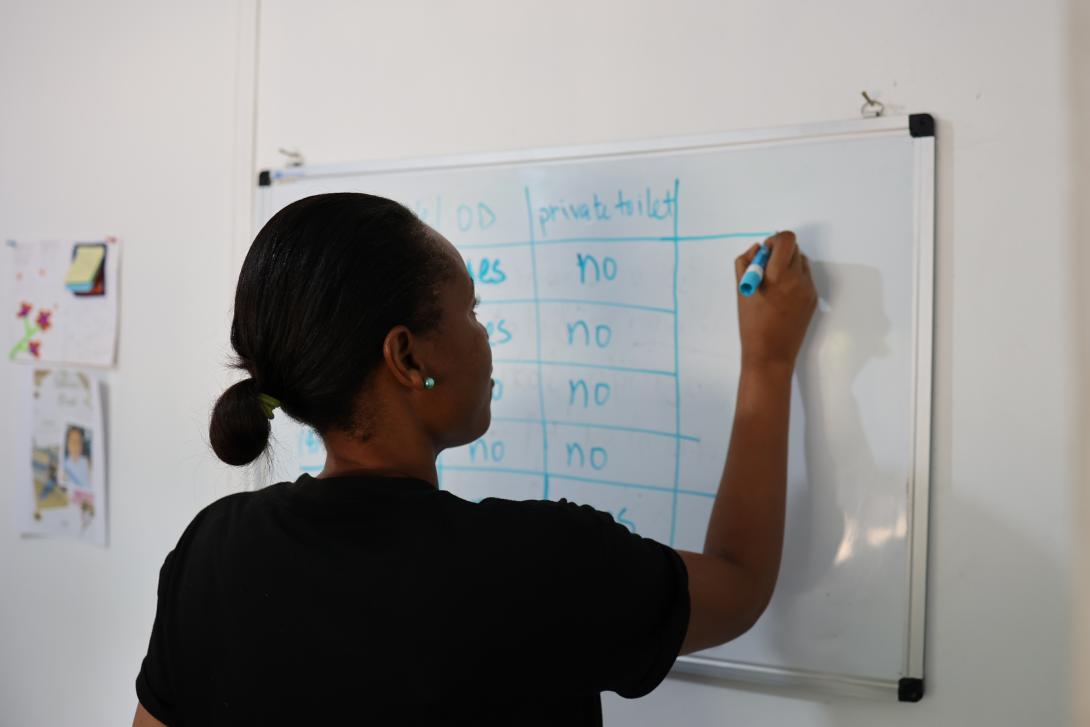
As SOIL’s sanitation service continues to grow, so does the importance of research in helping us understand—and improve—SOIL’s impact on people’s lives. We’re deeply grateful to Bridj and Miselie for the dedication and energy they bring to this work every day.
You can help sustain and expand SOIL’s research by becoming a SOIL Cultivator—a monthly donor whose commitment directly fuels the innovation and evidence-based solutions needed to expand access to safe, dignified sanitation in Haiti.